ADVERTISEMENT
What Your Visible Veins Might Be Telling You: When It’s Normal, and When to Pay Attention
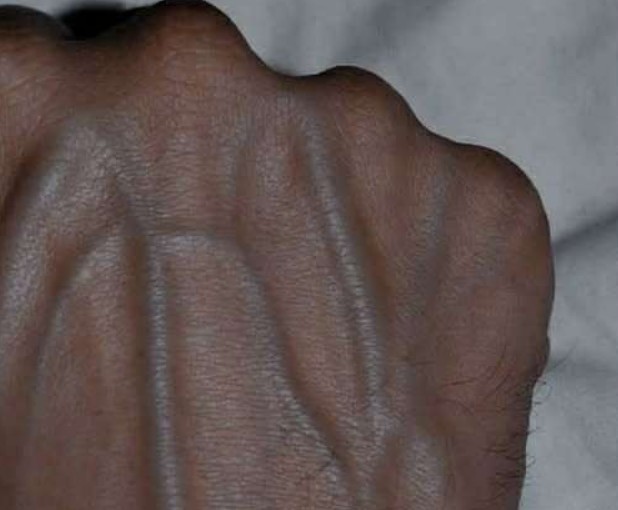
While prominent veins are often brushed off as a cosmetic issue, health experts caution that, in some cases, they could be signaling underlying circulatory problems that shouldn’t be ignored.
Why Do Veins Become More Noticeable?
Common (and Harmless) Reasons Veins Stand Out
Low Body Fat: With less fat between the skin and veins, it’s natural for veins to be more visible. This is common in athletes, bodybuilders, or those who’ve lost weight rapidly.
Exercise and Fitness: Increased blood flow during and after exercise causes veins to expand. In fit individuals, this effect may be more pronounced and persistent.
Genetics: For some, vein visibility is simply hereditary. If visible veins run in your family, they may appear regardless of your health.
In certain cases, suddenly prominently visisble veins may be more than a cosmetic concern. Conditions that affect vein function or blood flow may be to blame.
Chronic Venous Insufficiency (CVI): When vein valves weaken or fail, blood can pool in the legs, leading to swelling, heaviness, and visible bulging veins
Superficial Thrombophlebitis: A small blood clot near the surface causes redness, tenderness, and a firm, cord-like vein.
Deep Vein Thrombosis (DVT): A dangerous clot in a deep vein, typically in the leg. Symptoms include sudden swelling, pain, warmth, and redness. DVT is a medical emergency requiring immediate attention.
Sometimes, temporary or hormonal changes can make veins more visible:
Dehydration
Hormonal fluctuations (such as pregnancy, menstruation, or menopause)
Sudden weight loss
When to Consult a Doctor
If your veins suddenly become more visible without a clear cause—or if you notice symptoms like pain, swelling, warmth, or skin changes—it’s best to consult a healthcare provider.
These signs could point to vascular conditions that require medical evaluation.
Treatment and Management Options
For those experiencing discomfort or seeking cosmetic improvement, several approaches may help:
Lifestyle Adjustments: Maintain a healthy weight, stay active, elevate legs, and avoid prolonged sitting or standing.
Compression Stockings: These improve circulation and reduce swelling.
Medical Treatments: Options include sclerotherapy (vein injections), laser therapy, or surgical procedures for more severe cases.
Prevention and Everyday Tips
Stay well-hydrated
Move regularly during long trips or sedentary work
Avoid smoking
Eat a balanced, nutrient-rich diet
The Emotional and Aesthetic Side
Visible veins can mean different things to different people. For athletes, they may be a symbol of strength and conditioning. For others, they might be a source of insecurity. Regardless, options exist to manage both the health implications and appearance of prominent veins.
Conclusion
In most cases, visible veins are harmless—linked to age, genetics, or physical fitness. However,they can sometimes signal deeper circulatory concerns like venous insufficiency or blood clots. Learning the difference between normal changes and warning signs can empower you to make informed health decisions. When in doubt, seek medical advice. Your veins are more than skin-deep—they’re a window into your body’s circulatory health and overall well-being.
ADVERTISEMENT
